
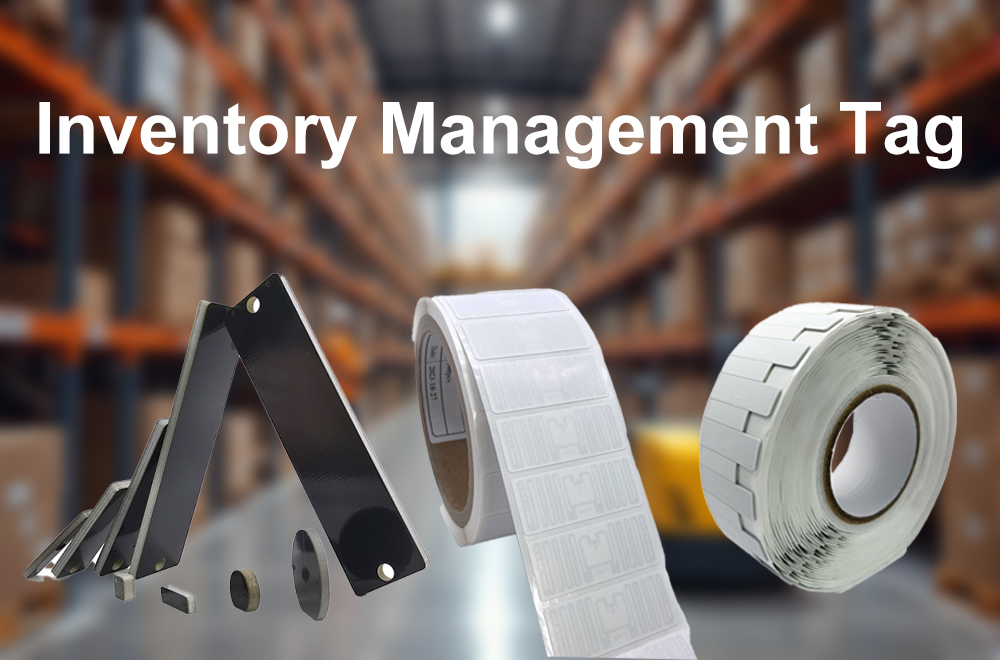
In the fast-paced world of business, effective inventory management and an efficient supply chain are critical for organizations to remain competitive.
Read More>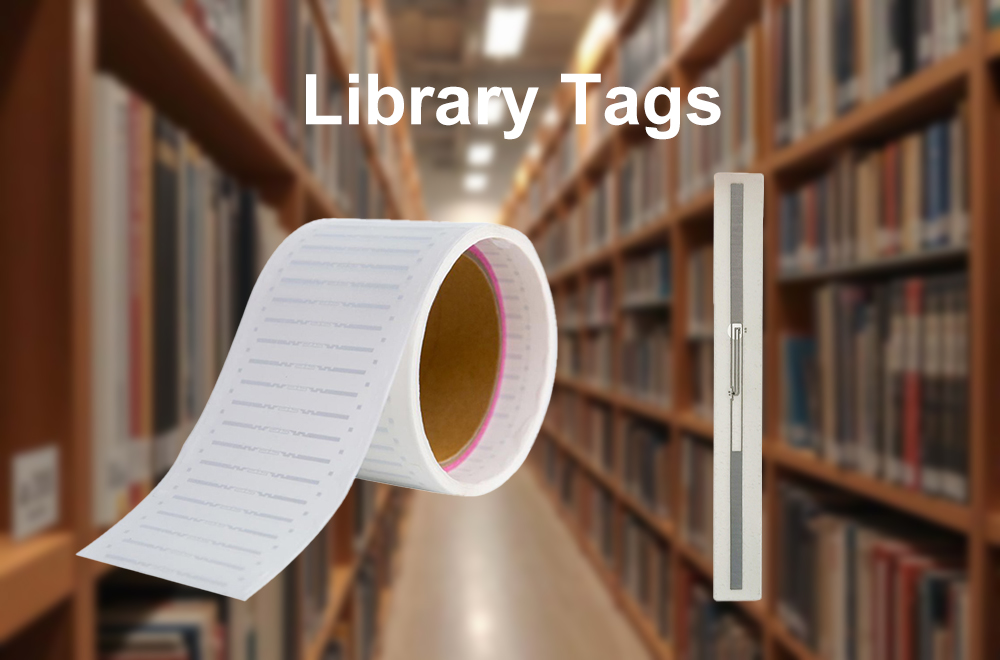
Libraries today face increasing pressure to serve more users, manage larger collections, and offer faster, smarter services—all without expanding staff.
Read More>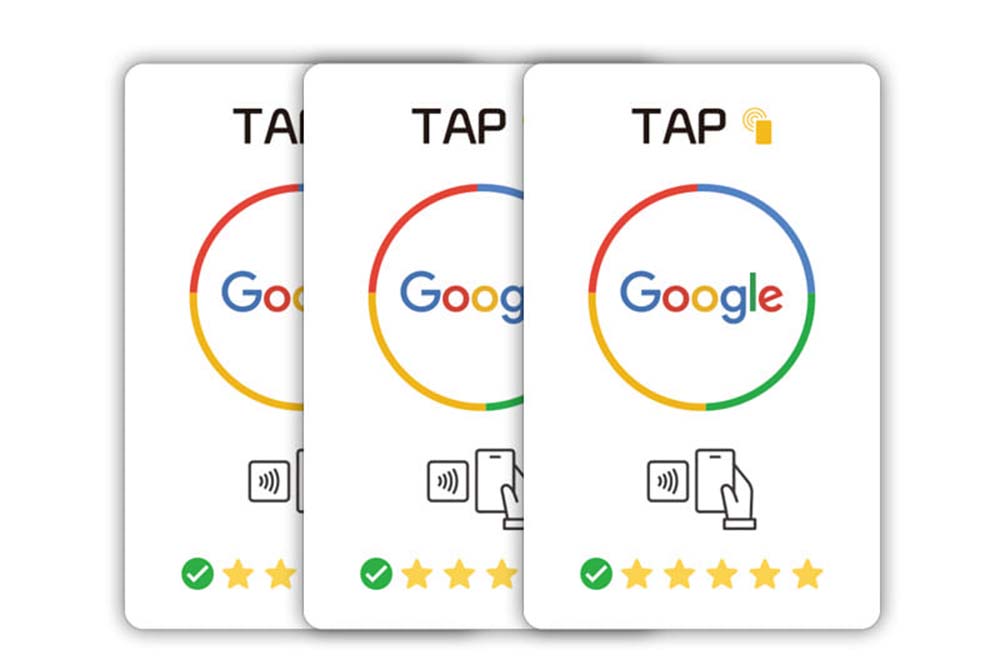
Have you ever visited a great place and wanted to tell others about it? Businesses love hearing good things from customers, but sometimes, people forget to leave reviews. That’s where NFC Google Review Cards come in—they make it super easy for customers to leave a review with just one tap!
Read More>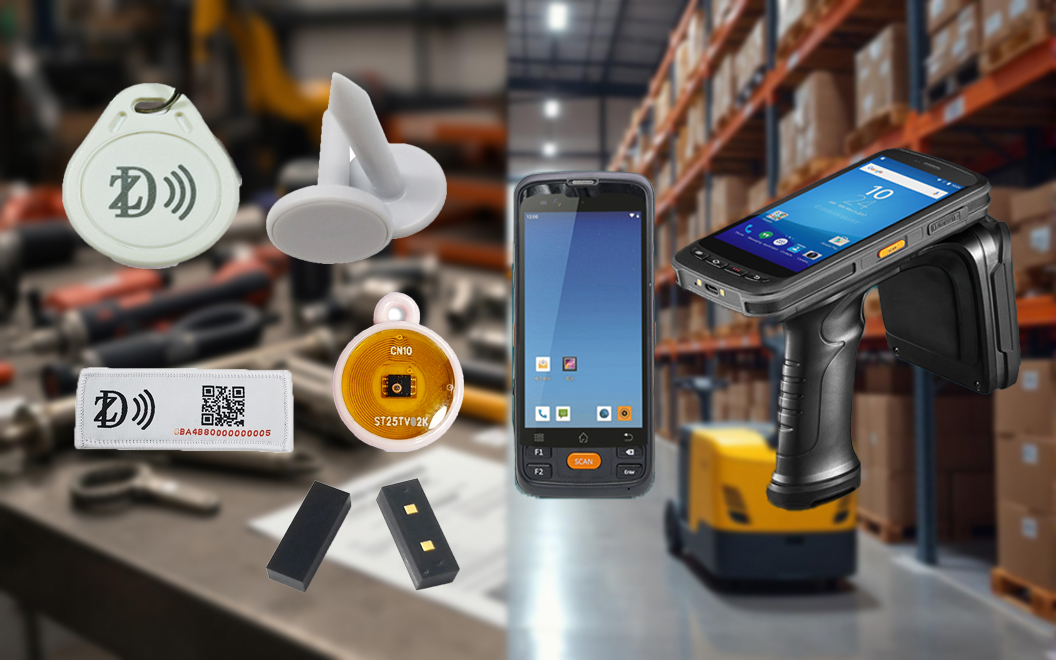
With the widespread adoption of RFID technology across industries such as logistics, retail, and healthcare, its efficiency in data collection and asset management has become increasingly evident.
Read More>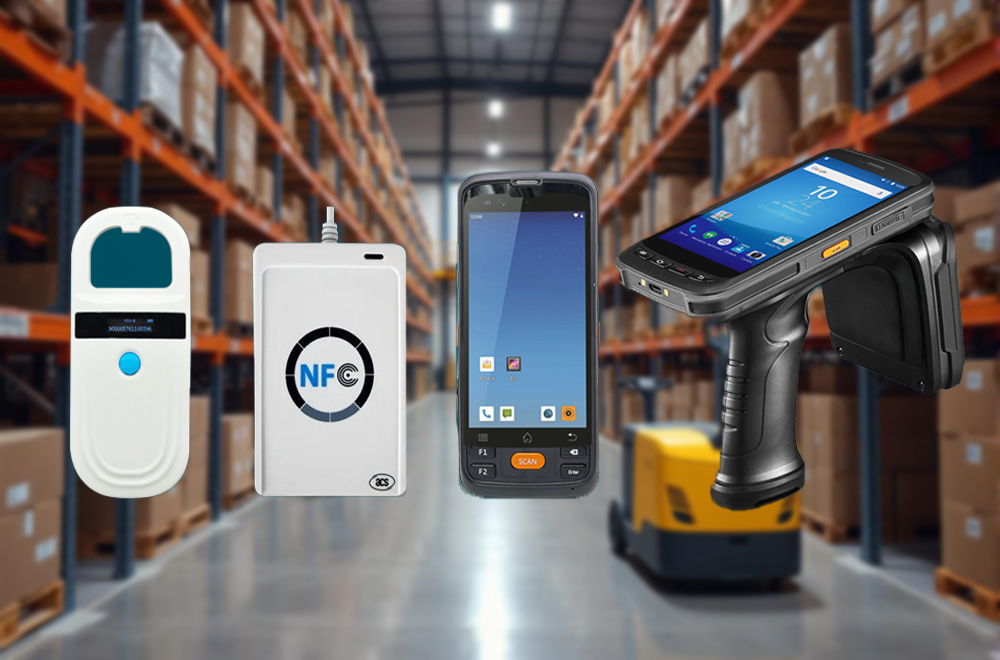
With the widespread adoption of RFID technology across industries such as logistics, retail, and healthcare, there is an increasing need to deploy multiple readers within a single environment.
Read More>
As the global demand for animal products increases and pet ownership rises, effective animal management has become more important than ever.
Read More>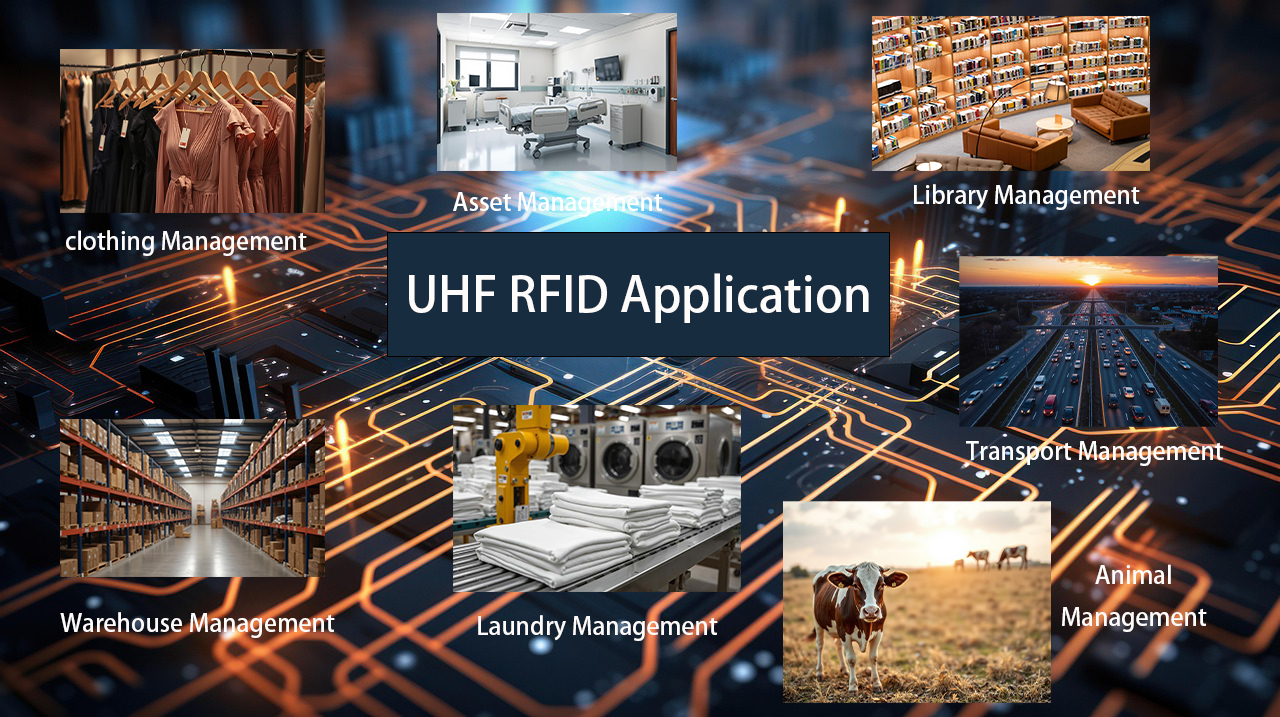
Effective tracking and management of products is important in business cost management.
Read More>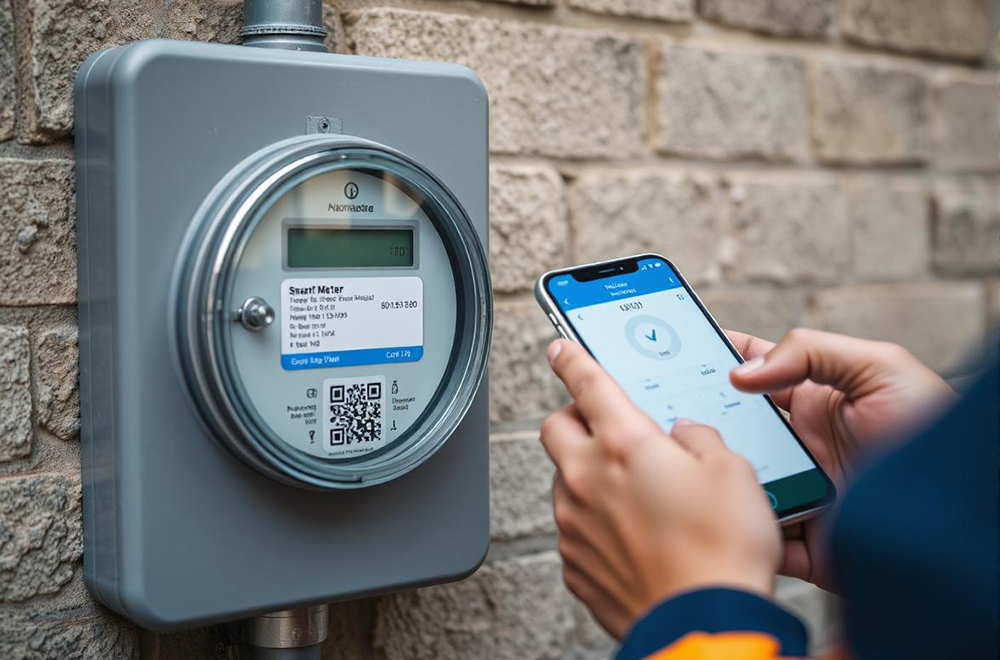
When it comes to tracking and managing inventory, businesses often face the choice between RFID and barcoding technologies.
Read More>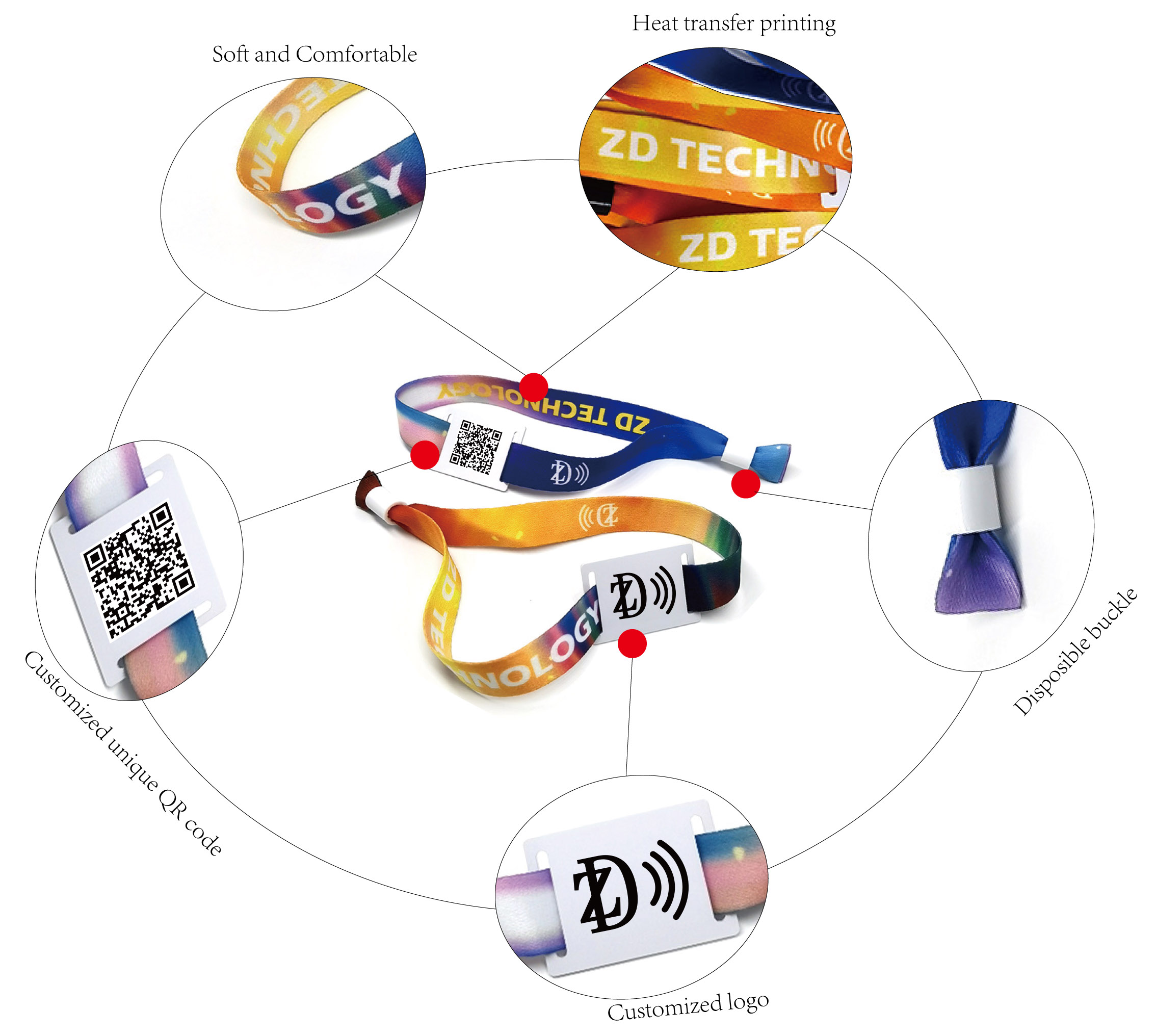
Wireless technologies such as Near Field Communication (NFC) and Radio Frequency Identification (RFID) are widely used for data transfer, tracking, and identification across various industries.
Read More>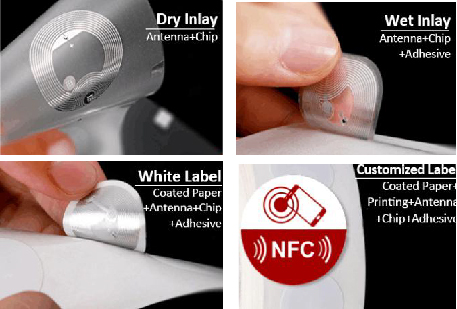
Radio Frequency Identification (RFID) technology is transforming industries by enabling efficient and accurate asset tracking. RFID systems operate through a combination of three primary components: RFID tags, inlays, and labels, alongside the essential RFID reader and antenna. While all these components serve the same purpose—tracking and identification—there are key differences in their construction and applications. This guide will help clarify the distinctions between RFID tags, inlays, and labels, while also explaining the roles of each in the broader RFID ecosystem.RFID Technology OverviewRFID technology uses radio waves to identify and track objects. The core of an RFID system involves the RFID tag (or inlay or label), the reader device, and the antenna. These components work together to collect, store, and transmit data wirelessly, without requiring direct line-of-sight between the reader and the tracked object.RFID systems can be classified into two types based on the pow
Read More>Do you need a professional team to provide you with solutions? Contact us for a quote
Let us discuss it with you.


 Tel: +86-755-23080267
 Email: [email protected]
Add: A316,building A, Huayuan Technology And Innovation Park, Baoyuan Road
Copyright © 2024 Shenzhen ZD Technology Co., Ltd., All rights reserved.
Designed by 


 Home
Home